
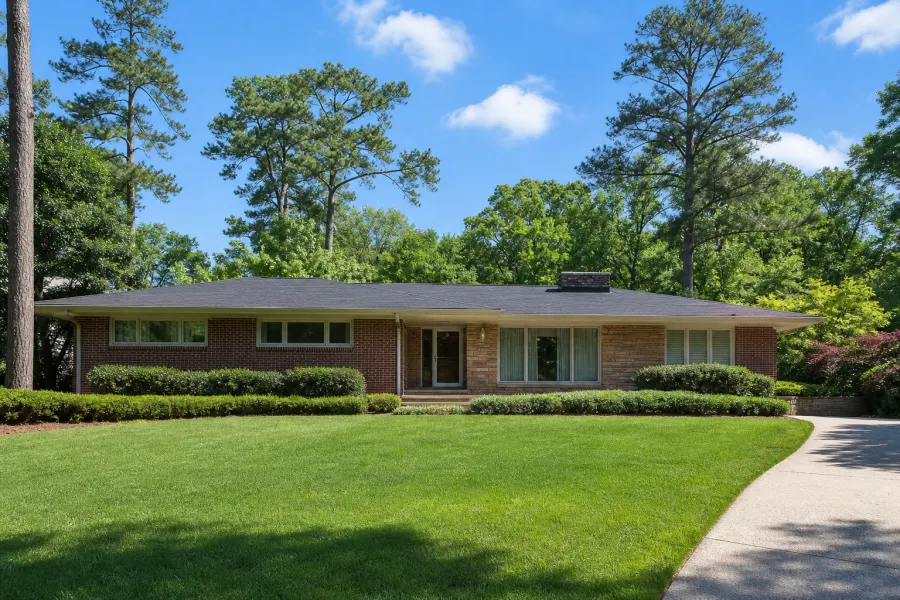
Collier Heights
A National Register historic district, one of America's first suburbs built by and for Black families. Martin Luther King Sr. and Herman J. Russell called it home.
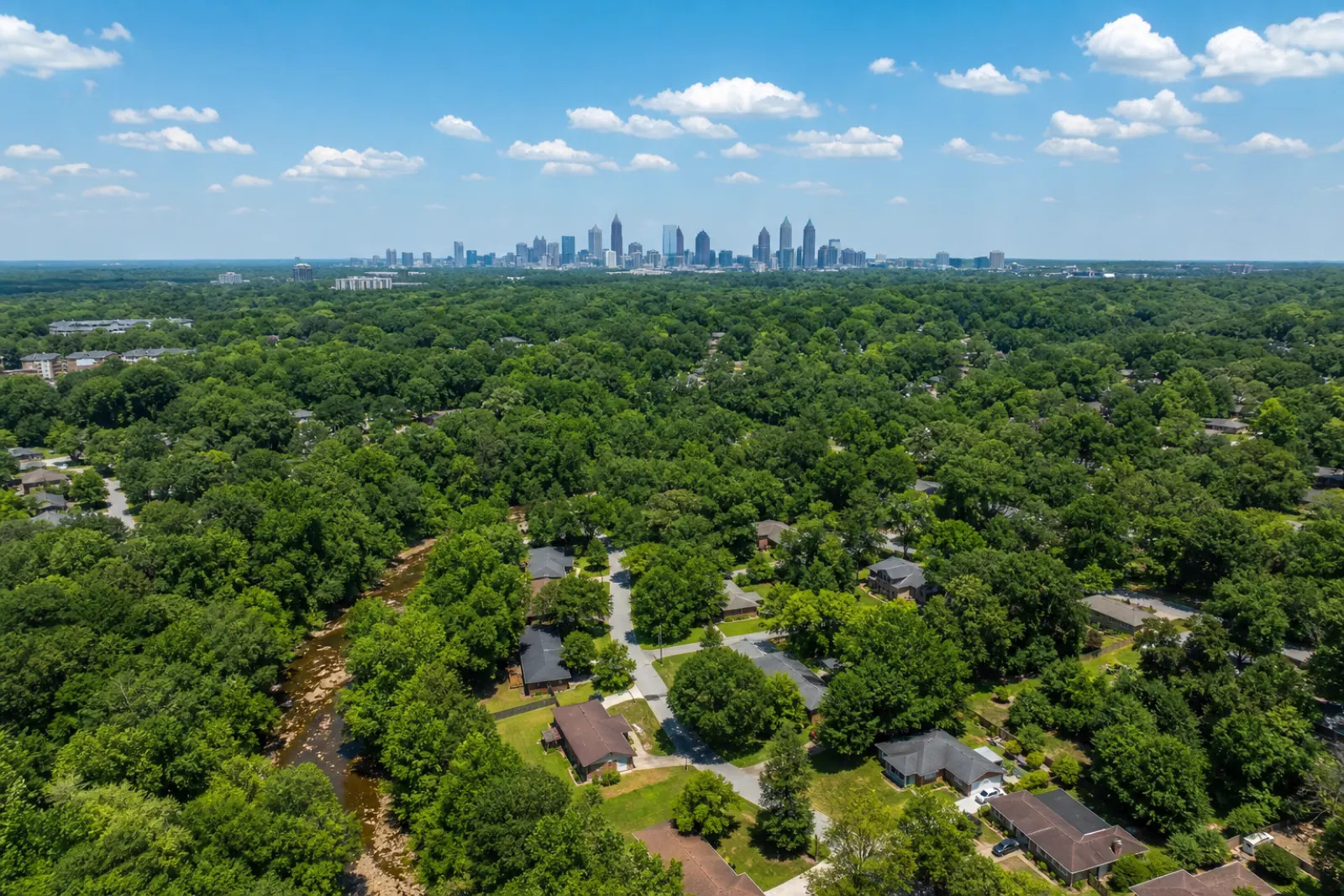
NPU‑I runs along the Cascade Road and Martin Luther King Jr. Drive corridors in west and southwest Atlanta, all of it inside the Perimeter and most of it under a canopy of old pines and oaks.
A National Register historic district, one of America's first suburbs built by and for Black families. Martin Luther King Sr. and Herman J. Russell called it home.
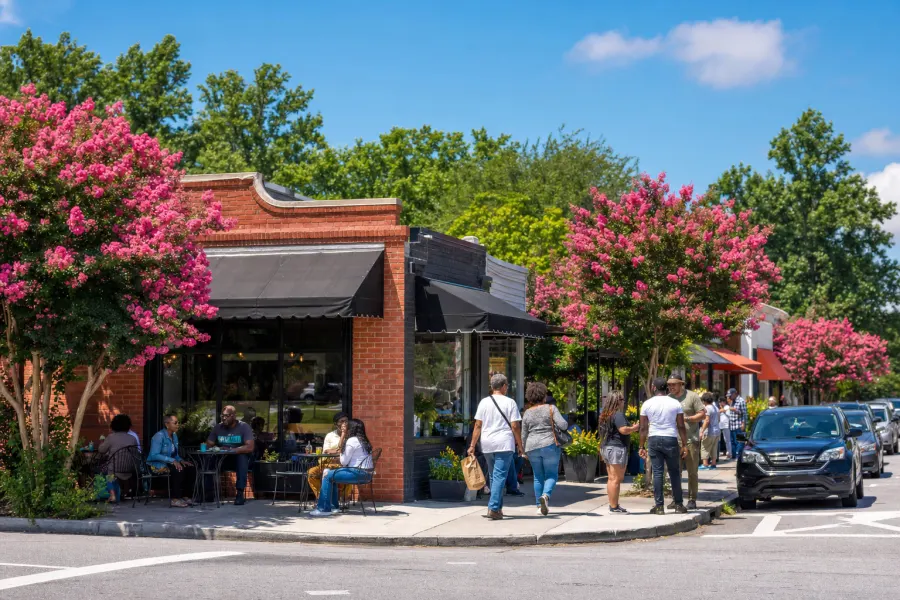
The commercial heart of the Cascade corridor, where storefronts, churches, and longtime institutions anchor daily life.
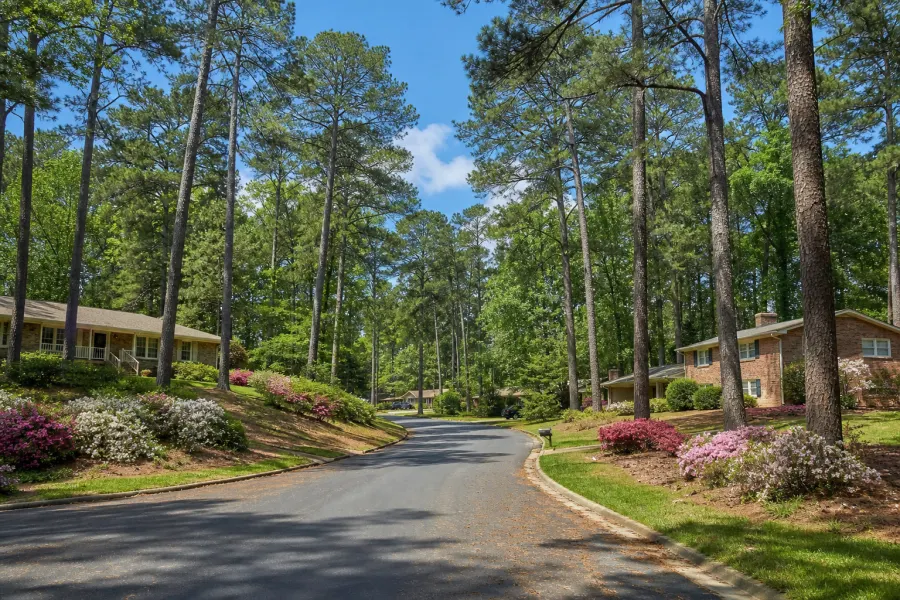
Winding wooded streets that made national history in 1963, when neighbors helped bring down the Peyton Road barricades.
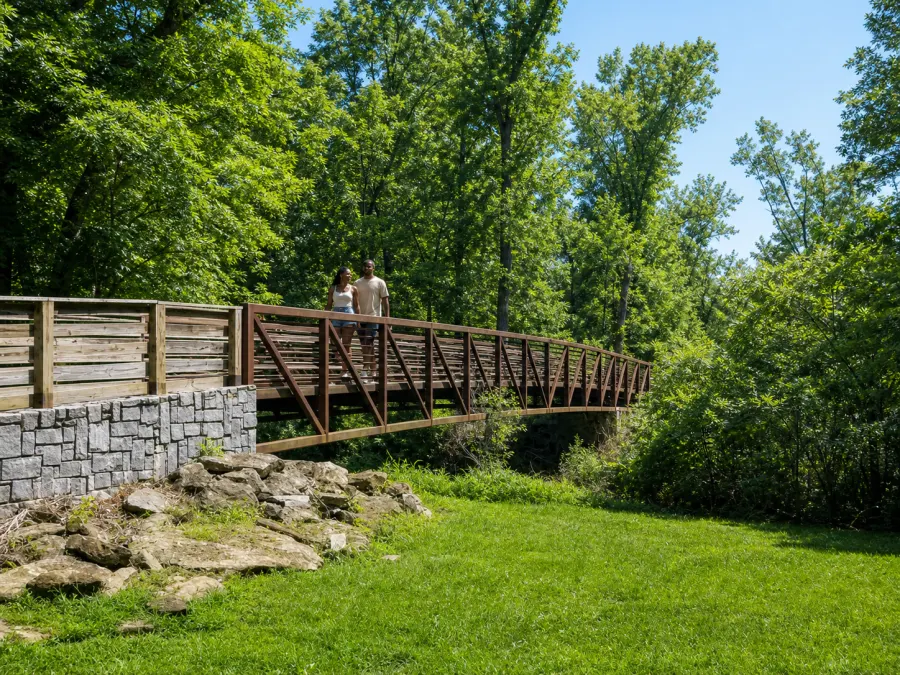
Home to the Lionel Hampton‑Beecher Hills Nature Preserve, a hundred-plus acres of forest on land once owned by the jazz great.

Cascade Springs Nature Preserve protects mineral springs, an 1890s spring house, old-growth forest, and Civil War earthworks.
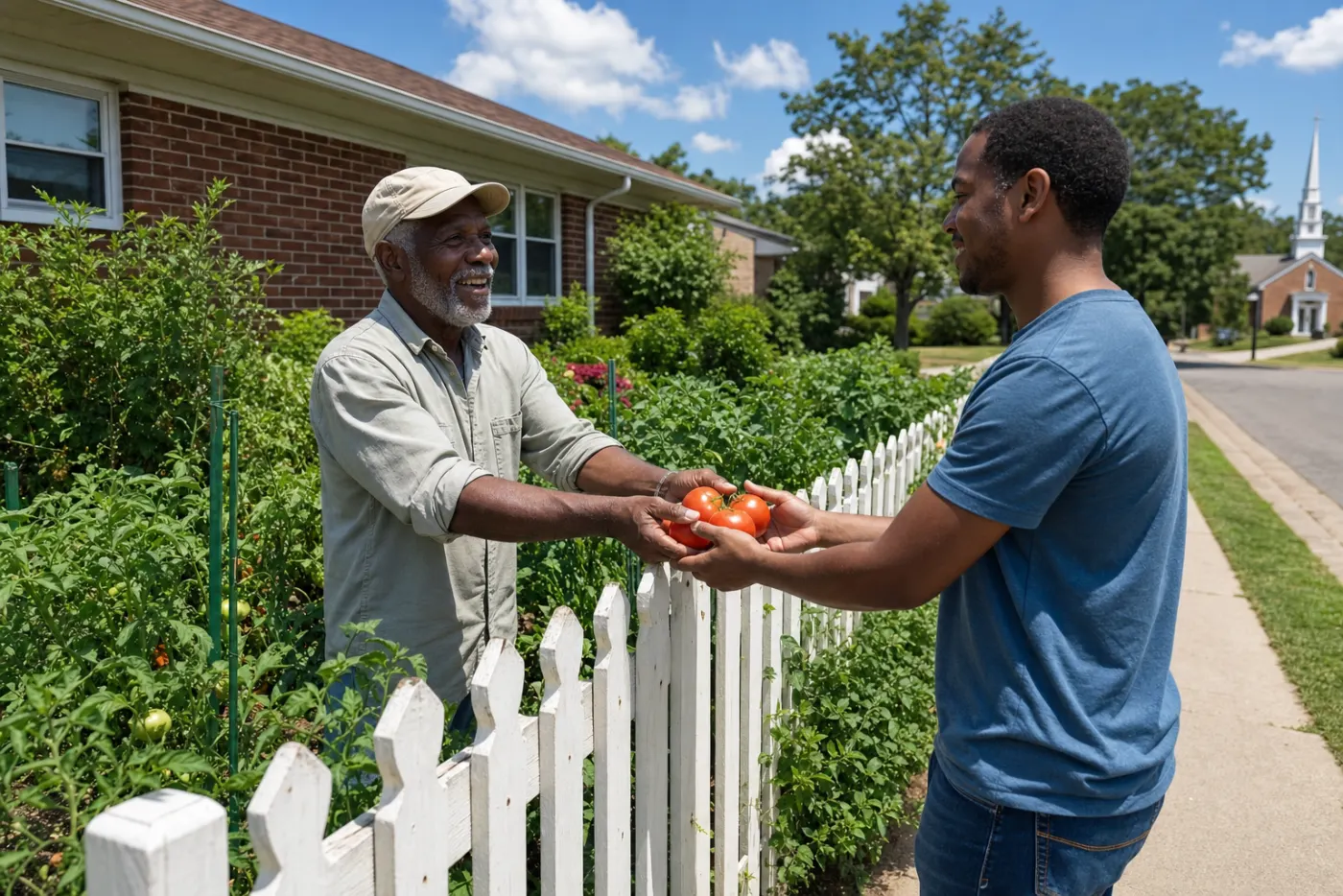
Quiet streets of well-kept brick ranches where front-yard gardens and fence-line conversations are still the standard.
These are the official City of Atlanta neighborhoods inside NPU‑I. Many are also represented by their own civic associations and HOAs, which report at our meetings.
Not sure which neighborhood or NPU you're in? Check the official NPU‑I map (PDF) or ask at any meeting.
The civic associations, community clubs, and HOAs that represent our streets and report at NPU‑I meetings. Reach out to yours, or come to a meeting and meet them all.
Roster from the City of Atlanta's NPU contacts directory and NPU‑I's last published organization list. Is yours missing, renamed, or under new leadership? Email npuichair2024@gmail.com and we'll fix it.
1962
In December 1962, the City of Atlanta erected wood-and-steel barricades across Peyton Road to stop Black families from buying homes in Peyton Forest. The press called it "Atlanta's Berlin Wall," and the photographs went around the world.
Neighbors, students, and civil-rights leaders fought it in the streets and in the courts. On March 1, 1963, a judge ruled the barricades unconstitutional, and the city tore them down within the hour.
The families who crossed Peyton Road built the neighborhoods we steward today. That's the inheritance behind every vote NPU‑I takes: the people who live here decide what happens here.
1948
A few minutes north, Collier Heights was developed starting in 1948 as one of the first American suburbs created by and for Black homeowners: planned by Black civic leaders, financed by Black-owned banks, and built largely by Black contractors.
Its mid-century ranches and split-levels earned a place on the National Register of Historic Places in 2009, and the neighborhood remains a touchstone of Black achievement in American city-building.
About 120 acres at 2852 Cascade Road SW: mineral springs, the 1890s stone spring house, old-growth forest, and trenches from the 1864 Battle of Utoy Creek. A member of the Old-Growth Forest Network.
More than 100 acres of hardwood forest at 366 Willis Mill Road SW, on land once owned by jazz legend Lionel Hampton. The PATH Foundation's Lionel Hampton Trail runs through it.